
คำอธิบายทั่วไป ซีรีส์ MCP-H10 เป็นแพ

เซ็นเซอร์ความดัน SOP/DIP/SIP ผู้ผลิต
-
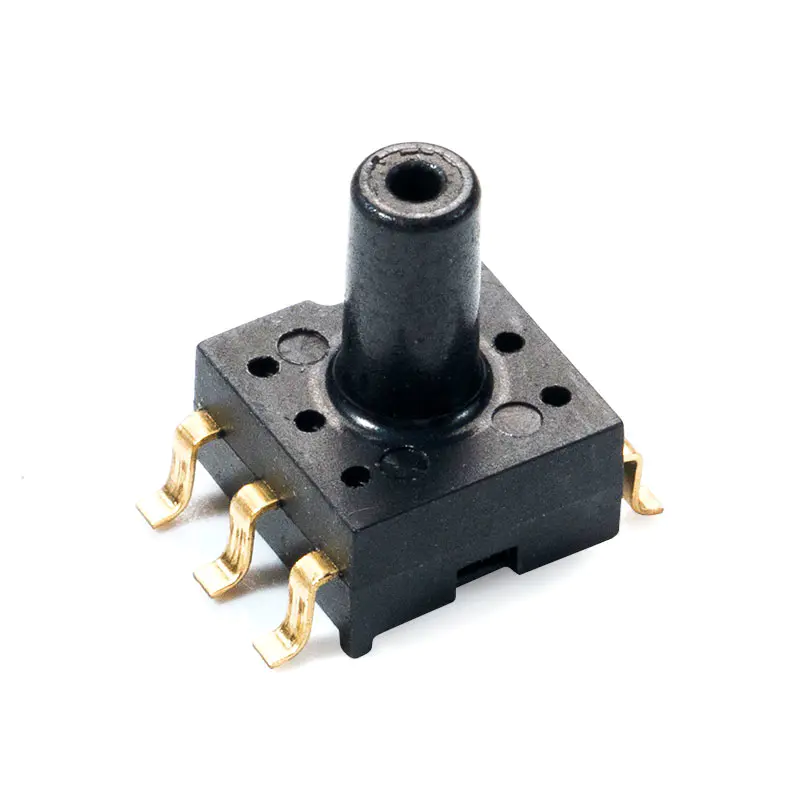 MCP-H10, MCP-H11 แพ็คเกจการติดตั้งบนพื้นผิว SOP
 -
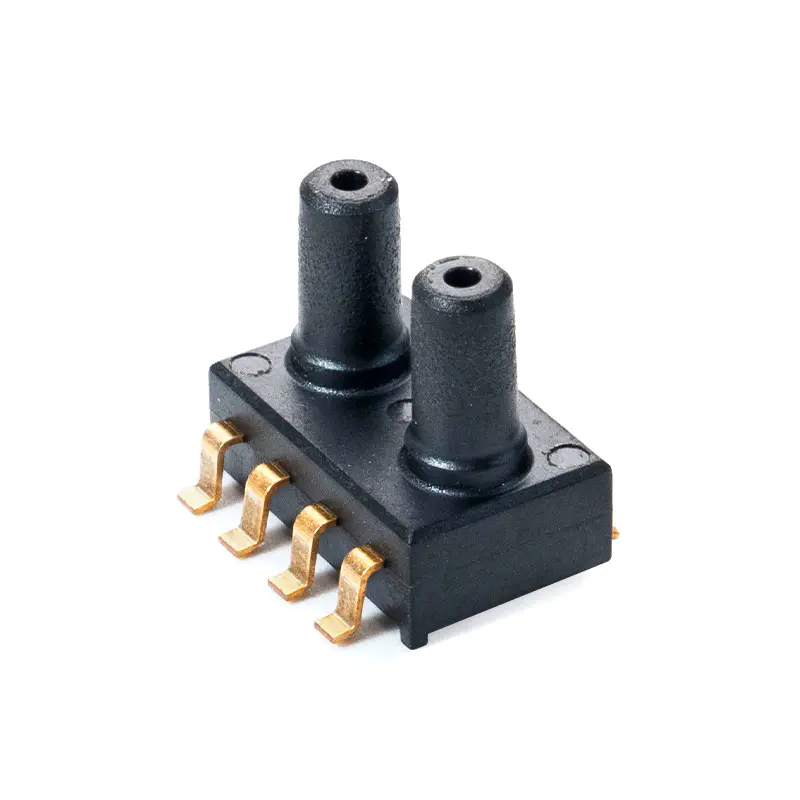 MCP-H20, MCP-H21 แพ็คเกจการติดตั้งบนพื้นผิว SOPคำอธิบาย ซีรี่ส์ MCP-H20 เป็นแพ็คเกจ
 -
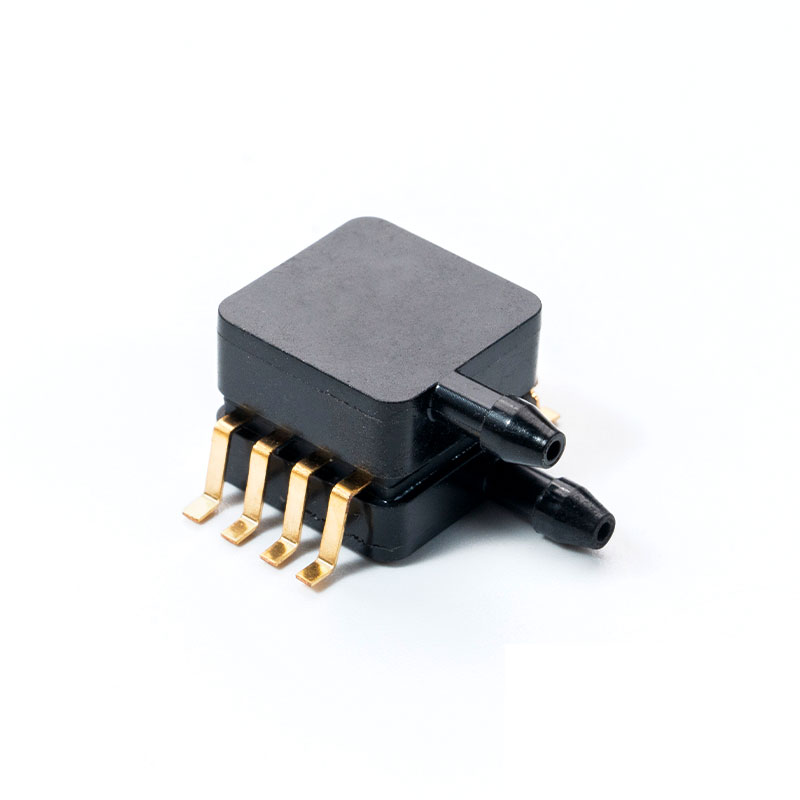 MCPV5XXX, MCPV7XXX SOP แพ็คเกจการติดตั้งบนพื้นผิวซีรีส์ MCPV5XXXDP มีเซ็นเซอร์ความดันซิล
 -
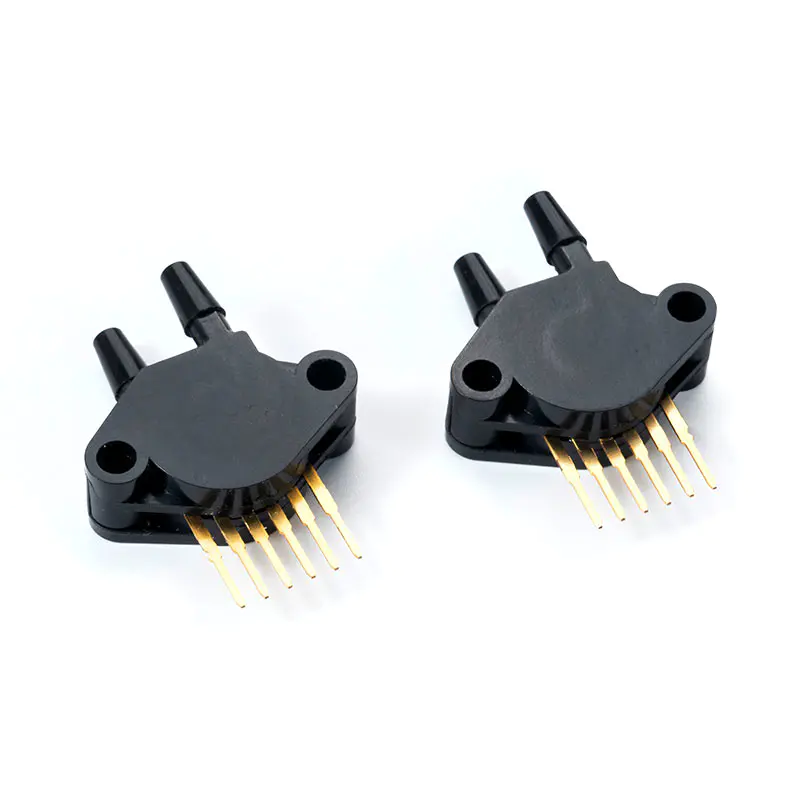 MCP5XXX แพ็คเกจปลั๊กโดยตรง DIP/SIPซีรีส์ MCPV5XXXDP มีเซ็นเซอร์ความดันซิล
เมมส์
บริษัท อู๋ซีเมมส์เทค จำกัด
บริษัทของเราก่อตั้งขึ้นในปี 2554 ตั้งอยู่ในเขตพัฒนาอุตสาหกรรมไฮเทคแห่งชาติอู๋ซี ซึ่งเป็นศูนย์กลางนวัตกรรม IoT ของจีน เราคือ... จีน เซ็นเซอร์ความดัน SOP/DIP/SIP ผู้ผลิต และ สั่งทำพิเศษ เซ็นเซอร์ความดัน SOP/DIP/SIP บริษัทผู้ส่งออก. MemsTech เป็นบริษัทที่เชี่ยวชาญด้านการวิจัย พัฒนา ผลิต และจำหน่ายเซ็นเซอร์วัดแรงดัน MEMS ผลิตภัณฑ์เซ็นเซอร์ของเราถูกนำไปใช้อย่างแพร่หลายในด้านการแพทย์ ยานยนต์ และอุปกรณ์อิเล็กทรอนิกส์สำหรับผู้บริโภค ด้วยการวิจัยและพัฒนาอย่างมืออาชีพ การจัดการการผลิตอย่างเป็นวิทยาศาสตร์ การบรรจุและการทดสอบอย่างเข้มงวด และราคาที่แข่งขันได้สูง เรามุ่งมั่นที่จะมอบโซลูชันการตรวจวัดที่มีประสิทธิภาพสูงและคุ้มค่า
ข่าว
-
การตรวจจับแรงกดทับเป็นความสามารถพื้นฐานที่เชื่อมโยงโลกทางกายภาพและโลกดิจิทัล ช่วยให้ทุกอย่างตั้งแต่การพยากรณ์อากาศไปจนถึงการแทรกแซงทางการแพทย์ที่ช่วยชีวิตได้ ในบรรดาประเภทต่างๆ เซ็นเซอร์ความดันสัมบูรณ์ ดำรงตำแหน่งที่มีเอกลักษณ์และมีความสำคัญ แต่อะไรทำให้มันแตกต่างกันแน่? แตกต่างจากเซ็นเซอร์ที่วัดสัมพัน...
ดูเพิ่มเติม
-
Understanding the Role of MCP Absolute/Gauge/Differential Pressure Sensor in Modern Measurement Systems The evolution of pressure-based measurement technologies has reshaped industries ranging from industrial automation to environmental monitoring. Among the most widely discussed sensor families today is t...
ดูเพิ่มเติม
-
ในการบินและอวกาศ การออกแบบยานพาหนะทางอากาศไร้คนขับ (UAV) และการตรวจสอบทางอุตสาหกรรมในระดับความสูง ความแม่นยำของการวัดความดันไม่สามารถต่อรองได้ เมื่อระดับความสูงเพิ่มขึ้น ความดันบรรยากาศจะลดลงแบบไม่เป็นเชิงเส้น ทำให้เกิด "สัญญาณรบกวนในการวัด" ที่อาจส่งผลต่อความปลอดภัยของระบบ MemsTech ก่อตั้งขึ้นในปี 2554 และตั้งอยู่ใ...
ดูเพิ่มเติม
เซ็นเซอร์ความดัน SOP/DIP/SIP ความรู้ในอุตสาหกรรม
What are the most common failures or defects found in MCP SOP/DIP/SIP Pressure Sensors?
In modern automation, medical equipment, and intelligent consumer devices, the mcp sop/dip/sip pressure sensor has become one of the most critical components for accurate pressure measurement and system safety assurance. Its function extends beyond basic detection—it directly determines the precision, reliability, and long-term stability of the overall system. With the increasing complexity of IoT-driven devices, the expectations placed on these sensors have never been higher. However, even with rigorous design and quality control, certain failures or defects may occur during use due to environmental, structural, or process-related factors. Understanding these common issues is essential for both manufacturers and end users to optimize product performance and reduce maintenance costs.
Founded in 2011 and located in Wuxi National Hi-tech District , Wuxi Mems Tech Co., Ltd. is an enterprise specializing in the research, development, and production of MEMS pressure sensors. Its standardized production facilities and ISO-certified processes ensure consistent quality across large-scale batches. Through zero/full-scale calibration , temperature drift testing , and long-term stability evaluation , the company delivers industrial-grade sensing solutions suited for medical, automotive, and consumer electronics applications. With a focus on real-world engineering data, Wuxi Mems Tech has developed the mcp sop/dip/sip pressure sensor line—products designed for accurate, stable signal output under demanding conditions.
Common Types of Failures in mcp sop/dip/sip pressure sensors
Sensor output drift over time
One of the most frequent issues users encounter is output drift —a gradual deviation of the sensor's output from its calibrated reference value. This can occur due to aging of internal components , temperature-induced stress , or moisture penetration in the packaging. Over time, the MEMS diaphragm may experience slight deformation or fatigue, causing inconsistent electrical responses.
To counteract this, high-quality manufacturers implement full-process temperature compensation and long-term stability testing before shipment. Regular recalibration during device maintenance can further extend sensor accuracy over its operational lifespan.
Signal instability under vibration and interference
Industrial applications often expose sensors to strong vibration , electromagnetic interference , and pressure pulsation . These factors can cause short-term output fluctuations or noise signals that affect control precision. In a typical mcp sop/dip/sip pressure sensor , the encapsulated circuit and MEMS element must maintain electrical stability even under dynamic load.
A well-engineered anti-interference design, combined with proper PCB grounding and shielding, significantly reduces susceptibility to electrical noise. Manufacturers such as Wuxi Mems Tech incorporate anti-vibration mechanical structures and EMI-resistant packaging materials , ensuring reliable performance in automotive and pneumatic systems .
Temperature-related nonlinearity
Temperature variation is a major source of measurement deviation. Changes in ambient or medium temperature alter the physical properties of the sensing membrane and circuit resistance. As a result, temperature drift or nonlinear response occurs, leading to inaccurate readings.
The mcp sop/dip/sip pressure sensor typically employs an integrated temperature compensation circuit that corrects output deviations across a wide range—from -40°C to 150°C in automotive applications. This full-temperature compensation allows consistent performance even in harsh environmental conditions.
Structural and Packaging Defects
Microcracks in the sensing diaphragm
The sensing diaphragm is the core of any MEMS pressure sensor. If the diaphragm develops microcracks during production or under mechanical stress, it can cause slow leakage or inconsistent pressure transfer. Such cracks often result from improper bonding , overpressure , or thermal mismatch between layers.
To minimize this risk, precision wafer bonding and silicon-glass fusion techniques are used. Each mcp sop/dip/sip pressure sensor undergoes stringent structural integrity inspection, ensuring no microscopic defects remain that could compromise long-term stability.
Adhesion and soldering defects
In SOP, DIP, and SIP packaging formats, bonding reliability between the MEMS die, substrate, and pin interface is crucial. Common defects include cold solder joints , voids , or incomplete adhesion caused by contamination or inconsistent heating profiles during assembly. These issues may lead to intermittent signal loss or complete disconnection during field operation.
Wuxi Mems Tech's standardized line integrates automated soldering , bond wire inspection , and 100% post-packaging testing to guarantee consistent electrical contact. As a result, the probability of interconnection failure is significantly reduced.
Seal failure and moisture ingress
In high-humidity environments or applications involving liquid media, seal degradation can allow moisture to enter the sensor cavity. Even minor condensation may alter the sensor's dielectric properties or corrode internal metal traces.
To prevent this, hermetic sealing and protective gel encapsulation are employed in the mcp sop/dip/sip pressure sensor series. Sensors are also tested for IP-level protection to ensure reliable use in challenging industrial and automotive settings.
Electrical and Signal-Processing Failures
Offset voltage deviation
During long-term operation, offset voltage —the baseline electrical output when no pressure is applied—can drift. This results from component aging , thermal expansion , or electrostatic stress . Even a small offset error can significantly affect system-level accuracy, particularly in medical or precision flow-control applications.
To mitigate offset issues, sensors are factory-calibrated across temperature and pressure ranges. Continuous zero-point monitoring in the end-use system can further maintain performance consistency.
Output saturation or clipping
When excessive pressure or transient surges occur, the sensor's output may saturate , meaning it reaches the maximum or minimum possible value. In severe cases, overpressure can cause permanent mechanical deformation of the MEMS diaphragm.
An integrated overpressure protection mechanism or external limiting circuit can safeguard the mcp sop/dip/sip pressure sensor from such overloads. Selecting sensors with appropriate pressure range specifications ensures reliability and longevity in real-world systems.
Communication or interface failure
In applications where the mcp sop/dip/sip pressure sensor transmits data via I²C , SPI , or analog voltage output , communication failures can occur due to signal interference , cable resistance , or PCB layout errors . These defects often manifest as intermittent readings or data transmission errors.
Proper grounding, shielding, and adherence to signal integrity guidelines during PCB design can effectively prevent such failures. Manufacturers also provide detailed integration documentation to ensure compatibility with a variety of controller systems.
Environmental and Operational Factors Leading to Defects
Contamination and corrosion
When pressure sensors are exposed to corrosive gases , chemical vapors , or particulate contamination , performance degradation is inevitable. Contaminants can adhere to the sensing diaphragm or infiltrate electrical contacts, causing response delay or inaccurate readings.
For this reason, industrial-grade mcp sop/dip/sip pressure sensors adopt corrosion-resistant materials and protective coatings . In specialized cases, additional filtering or isolation membranes can be applied to prevent direct exposure to harsh media.
Mechanical stress and mounting error
Improper installation or excessive tightening of the sensor housing can introduce mechanical stress to the MEMS die, altering its response curve. In certain packaging forms like SIP, mounting torque must be carefully controlled to maintain structural symmetry.
Following the manufacturer's recommended installation torque and alignment procedure ensures accurate pressure transfer and avoids strain-induced signal deviation.
Thermal cycling and fatigue
Continuous heating and cooling cycles can gradually weaken the sensor's internal bonding and package integrity. Repeated thermal expansion may create micro-gaps in solder joints, leading to increased contact resistance or open circuits.
The mcp sop/dip/sip pressure sensor line is subjected to thermal shock and cycling tests during production, simulating real-world conditions to verify endurance before delivery.
Comparative Table of Typical Defect Categories
| Failure Category | Typical Cause | Common Symptoms | Preventive Measures |
|---|---|---|---|
| Output drift | Aging, temperature stress | Gradual deviation from reference | Regular calibration, thermal compensation |
| Signal noise | Vibration, EMI interference | Fluctuating output | EMI shielding, grounded PCB design |
| Temperature nonlinearity | Thermal stress on diaphragm | Inconsistent readings at temperature extremes | Built-in compensation circuit |
| Seal degradation | Moisture ingress | Signal instability, corrosion | Hermetic sealing, protective coating |
| Bonding failure | Cold solder joints, contamination | Intermittent or lost signal | Automated soldering and inspection |
| Overpressure damage | Mechanical overload | Permanent offset or zero output | Overpressure protection design |
Preventive Quality Control Measures in Manufacturing
Wuxi Mems Tech employs a comprehensive production management system to minimize defect rates. Each mcp sop/dip/sip pressure sensor undergoes:
- Full-scale calibration and temperature compensation , ensuring consistency between batches.
- Zero/full-scale accuracy testing to verify linearity and offset characteristics.
- Aging and stability evaluation simulating long-term operation.
- RoHS-compliant processes to meet environmental and safety standards.
The manufacturing environment includes precision packaging, soldering, and calibration systems capable of handling high-volume production with uniform quality. Through meticulous process control, the company achieves stable output and low defect rates suitable for industrial, medical, and consumer applications.
Application-Specific Failure Considerations
Industrial and automation systems
In hydraulic, pneumatic, and water pump systems, the mcp sop/dip/sip pressure sensor must withstand continuous high-pressure cycles and vibration. Typical failure risks include fatigue-induced drift and connector wear . The use of reinforced housing materials and EMI-resistant design ensures sustained performance even in dynamic environments.
Medical equipment
In medical devices such as ventilators and infusion pumps , accuracy and reliability are directly linked to patient safety. Common issues include drift due to sterilization heat or micro-leakage from repeated pressure cycling. High-sensitivity micro-pressure sensors developed by Wuxi Mems Tech integrate low-drift circuits and compact form factors suitable for clinical use.
Consumer electronics
Applications like smart toilets , air purifiers , and robotic cleaners demand compact, low-power sensors with fast response. Failures often arise from moisture exposure or contamination by household chemicals . To address this, sensors are optimized for low-power operation and sealed SMD packaging , ensuring durability in compact devices.
Automotive applications
In automotive systems, failures typically result from thermal shock , oil contamination , and vibration fatigue . Sensors with ±1.0% accuracy across wide temperature ranges, such as those offered by Wuxi Mems Tech, ensure consistent operation from -40°C to 150°C. Enhanced mechanical sealing further improves resistance to harsh engine conditions.
Enhancing Reliability Through Design and Maintenance
Long-term reliability of an mcp sop/dip/sip pressure sensor depends not only on manufacturing precision but also on system-level integration . Key strategies include:
- Proper circuit protection , such as transient voltage suppression to prevent electrostatic damage.
- Scheduled calibration cycles , maintaining measurement accuracy over time.
- Stable power supply design , minimizing ripple and noise.
- Controlled operating conditions , including avoiding rapid pressure surges or extreme humidity.
Routine inspections of signal output and environmental parameters can identify early signs of degradation before complete failure occurs. In high-value equipment, predictive maintenance based on sensor diagnostics can further reduce downtime and repair costs.
Conclusion
As a key component in modern intelligent systems, the mcp sop/dip/sip pressure sensor plays a decisive role in determining overall device stability and safety. Common failures such as drift, signal instability, and packaging degradation are not inherent flaws but consequences of complex operating environments. By combining robust MEMS design , full-process quality control , and application-specific customization , manufacturers like Wuxi Mems Tech Co., Ltd. effectively minimize these issues.
With the continuous advancement of MEMS microfabrication and IoT integration technologies , pressure sensors will achieve even higher levels of stability, precision, and adaptability. Understanding the root causes of sensor failures enables engineers and system designers to implement preventive measures—ensuring that every measurement remains reliable, accurate, and consistent over the sensor's full service life.
-
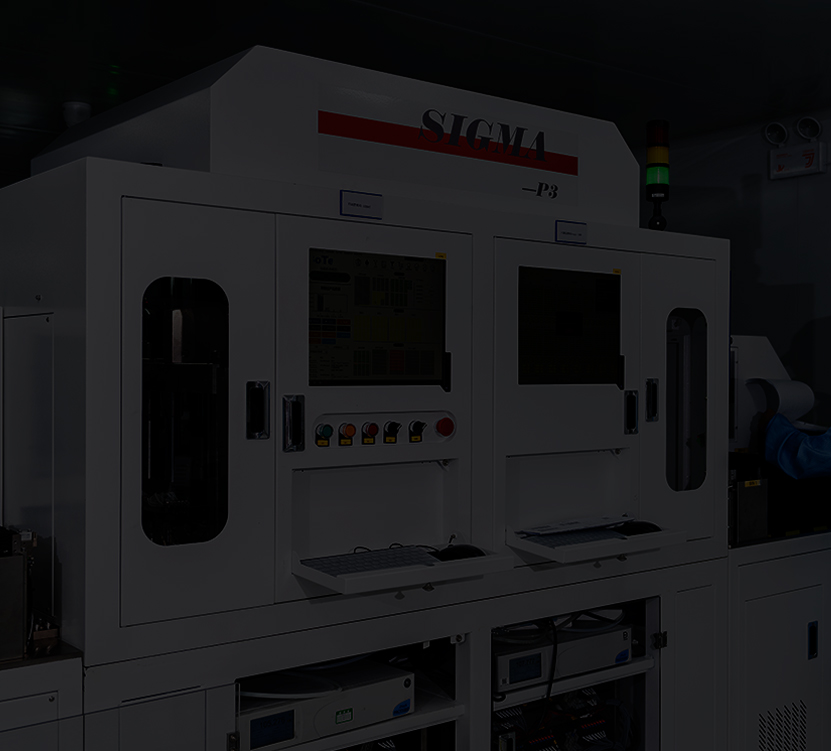
 การพัฒนาผลิตภัณฑ์โมดูลาร์นอกเหนือจากข้อเสนอเซ็นเซอร์มาตรฐานแล้ว เรายังสนับสนุนการพัฒนาโมดูลาร์และแอปพลิเคชันที่ปรับแต่งตามผลิตภัณฑ์ที่มีอยู่ ช่วยให้สามารถบูรณาการระบบได้อย่างรวดเร็วและเปิดตัวผลิตภัณฑ์ได้รวดเร็วดูเพิ่มเติม
-

 การสนับสนุนด้านเทคนิคแบบครบวงจรตั้งแต่การเลือกแบบจำลองไปจนถึงการแก้ไขข้อบกพร่องของอินเทอร์เฟซ ทีมเทคนิคของเราให้การสนับสนุนที่ครอบคลุมตลอดกระบวนการพัฒนาและบูรณาการดูเพิ่มเติม

บริษัท Mems Tech มีประสบการณ์และความเชี่ยวชาญในด้านเซ็นเซอร์วัดแรงดันมานานกว่า 14 ปี
ติดต่อเรา
-
 [email protected]
-
 +86-18068257393
-
 50-1125 สวนเมือง Zhongbang, No.2008 Taihu East Avenue, เขต Xinwu, เมืองอู๋ซี, มณฑลเจียงซู, จีน
บริษัท อู๋ซีเมมส์เทค จำกัด
Copyright © 2025 byบริษัท อู๋ซีเมมส์เทค จำกัด สงวนลิขสิทธิ์ทุกประการ.
สั่งทำพิเศษ เซ็นเซอร์ความดัน SOP/DIP/SIP ผู้ผลิต
